Nepal Trekking for Solo Female Travelers
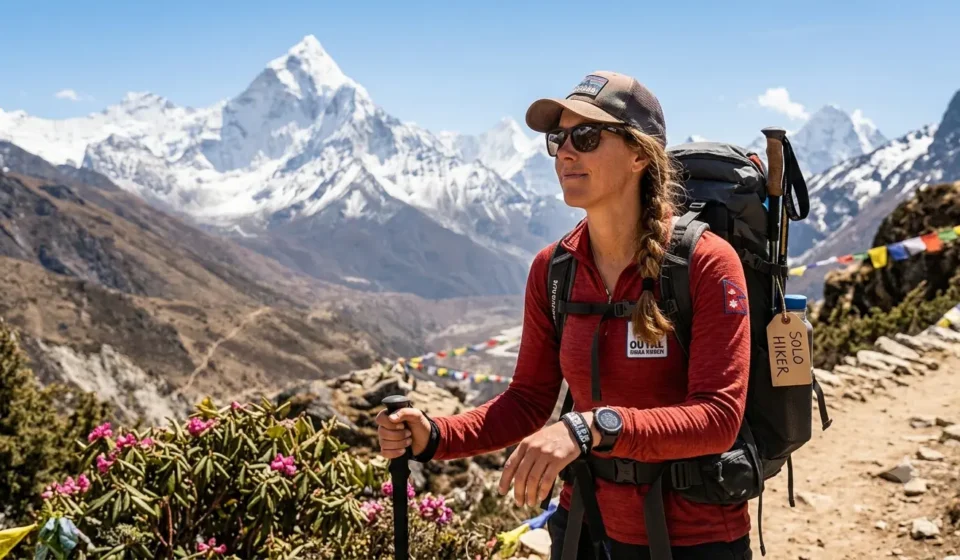
Nepal is consistently rated one of the best countries in the world for solo female travelers, and the trekking trails are a big reason why. Thousands of women hike the Himalayas alone every season – and the overwhelming majority describe it as one of the safest, most welcoming travel experiences they’ve ever had. That said, trekking alone as a woman does come with specific considerations, from choosing the right route to navigating guide regulations and tea house culture. This guide covers what you actually need to know.
Is Nepal Safe for Solo Female Trekkers?
Broadly, yes. Nepali culture is deeply hospitable, violent crime against tourists is rare, and the main trekking routes are busy with other hikers, guides, porters, and lodge families. Harassment levels are low compared with much of South Asia. Most solo women report that the biggest daily challenges are the same ones every trekker faces: altitude, cold, and steep hills – not safety.
That doesn’t mean zero risk. Isolated incidents have occurred, almost always on empty trail sections or when trekking alone late in the day. The practical takeaways are simple: stick to established routes, walk during daylight hours, and be a little more cautious in the quiet shoulder seasons when trails empty out.
The Guide Question: Rules and Reality
Since 2023, Nepal Tourism Board policy has required trekkers in most regions to hire a licensed guide, though enforcement varies by region – the Everest region (managed by Khumbu Pasang Lhamu Rural Municipality) has notably operated under its own rules allowing independent trekking with a local permit. Rules shift, so check the current situation for your specific route before you fly.
Regulations aside, many solo women choose a guide anyway, and there’s a growing ecosystem making that easier and more comfortable:
- Female guides: Agencies such as 3 Sisters Adventure Trekking in Pokhara pioneered training women as guides and porters, and several companies now offer all-female trekking crews on request.
- Cost: A licensed guide runs $25-35 USD per day; a porter-guide (carries some gear, guides less formally) around $20-25. Splitting a guide with trekkers you meet in Kathmandu or Pokhara is common.
- What you get: Route knowledge, help in emergencies, translation, lodge-booking in peak season, and company on quiet trail sections.
Best Treks for Solo Women
Any of the major routes works well, but some are particularly suited to first-time solo trekkers:
- Poon Hill (4-5 days): Short, low-altitude, busy, and full of tea houses. The ideal confidence-builder.
- Langtang Valley (7-8 days): One valley, one trail, impossible to get lost, and a wonderfully close-knit string of villages.
- Everest Base Camp (12-14 days): The most social trail in Nepal. In season you’re never more than 20 minutes from other trekkers.
- Annapurna Circuit (10-14 days): Busy, spectacular, with excellent lodges – a good step up once you’ve trekked before.
Remote restricted areas such as Upper Mustang, Manaslu, and Dolpo require guides and special permits for everyone regardless of gender, so the solo question mostly answers itself there.
Tea House Life as a Solo Woman
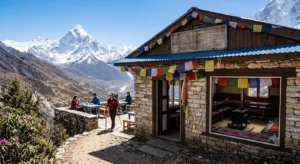
Tea houses are arguably the solo traveller’s best friend. Evenings in the communal dining room mean you’re rarely alone unless you want to be, and it’s completely normal to team up with other trekkers for a few days after meeting over dal bhat. A few practical notes:
- Rooms lock from the inside, and most also padlock from outside; bring a small padlock of your own for peace of mind.
- Lodge owners – very often women – tend to keep a protective eye on solo female guests. Don’t hesitate to lean on them for advice.
- If a room situation ever feels off, ask to move. It’s not rude, and lodges are used to it.
Cultural Awareness and Dress
Nepal is conservative by Western standards, though trekking regions see so many tourists that norms are relaxed on the trail. Still, dressing modestly – leggings under shorts or trousers rather than short shorts, shoulders covered in villages and temples – earns respect and reduces unwanted attention. Trekking clothes handle this naturally: you’ll live in hiking trousers and layers anyway.
A wedding ring (real or not) and a photo of a “husband” is an old traveller’s trick; most women find it unnecessary in Nepal, but it costs nothing. Politely deflecting personal questions with humour works well – questions about marriage and children are normal friendly conversation in Nepal, not interrogation.
Practical Safety Tips
- Register with your embassy and buy travel insurance that covers trekking to your maximum altitude and helicopter evacuation.
- Share your itinerary with someone at home and check in from villages with signal or Wi-Fi.
- Carry a local SIM (NTC has the best mountain coverage) and keep your phone charged with a power bank.
- Start walking early and aim to reach your lodge by mid-afternoon; avoid walking after dark.
- Trust your instincts about people and places – the same radar that works at home works in the Himalayas.
- Pack a headlamp, whistle, and doorstop-style wedge if you want extra room security in basic lodges.
Periods, Privacy, and Health on the Trail
Managing your period at altitude is very doable: bring everything you need from Kathmandu (supplies get scarce and expensive in the hills), pack zip-lock bags to carry waste out, and note that menstrual cups need extra hygiene care where water is limited. Altitude can make cycles irregular, arriving early or late – normal and not a cause for alarm. For urinating on the trail, a lightweight pee funnel is a popular piece of kit on cold, exposed high sections.
Final Thoughts
Solo female trekking in Nepal isn’t an act of bravery – it’s a well-trodden path walked by thousands of women every year, supported by one of the most hospitable mountain cultures on Earth. Pick an established route, decide honestly whether you want a guide or trail companions, dress with a little cultural awareness, and apply the same street sense you use anywhere. What you’ll find waiting is not danger, but dal bhat, sunrise over 8,000-metre peaks, and a trail full of instant friends.