
Why Nepal Gets Under Your Skin (And Why That’s a Good Thing)
There are places you visit and places that visit you. Nepal is the second kind.
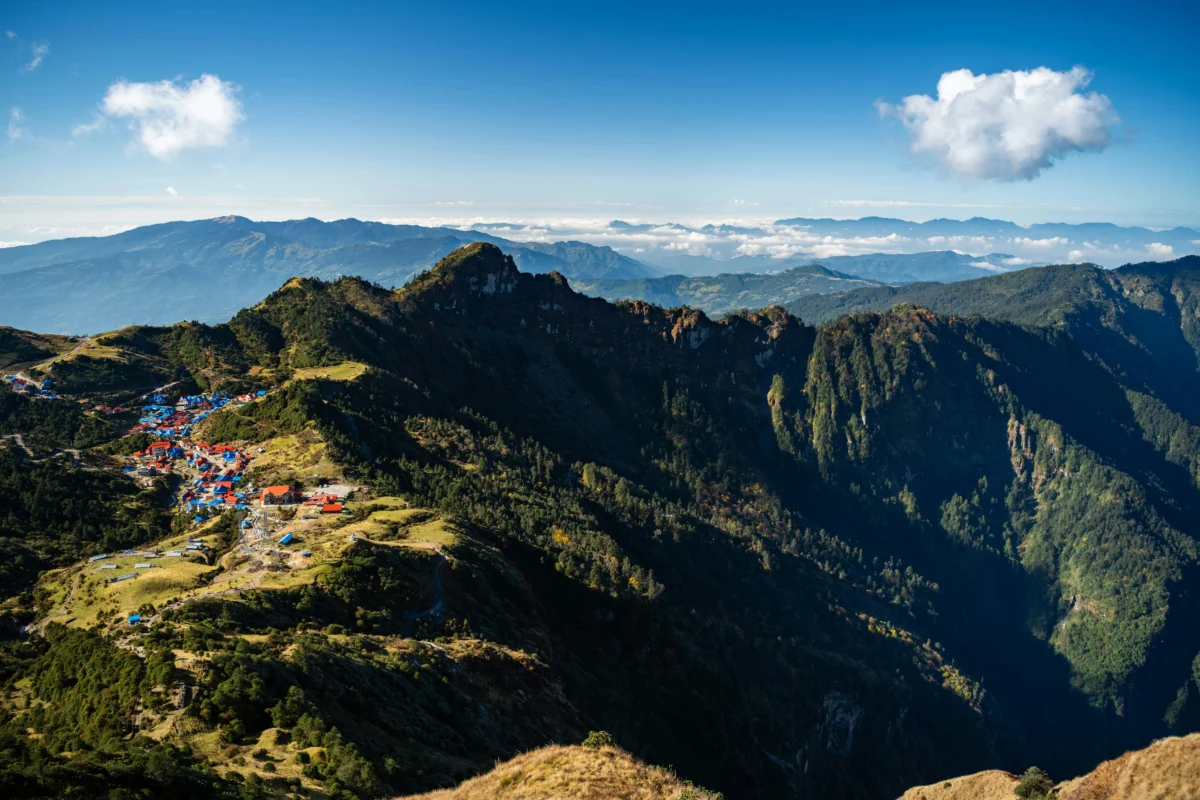
Most people arrive knowing two things: Everest is here, and it’s somewhere between India and China. They leave knowing what it smells like at dawn in Pokhara, what dal bhat tastes like on day four of a trek when you’re actually hungry, and why they’re already looking up return flights.
Nepal does this to people. It is worth understanding why.
It Is Not What You Expect
If you’ve built a picture from social media — snowy peaks, prayer flags, a lone trekker silhouetted against the sky — you’re not wrong. Those things exist. But Nepal is also loud markets in Thamel, kids playing cricket in a monastery courtyard, a bus that is three hours late (yet people and laughing and being friendly) and somehow completely full, a teahouse owner who insists you have more tea even though you’ve said no twice.
It is messy and alive in the way that the most interesting places always are.
The Landscape Changes Everything
Nepal is roughly the size of Arkansas or Greece, but it holds terrain ranging from subtropical lowlands to the highest point on earth. Within a day’s drive from Kathmandu, you can be in jungle. Within four days of walking, you can be at the edge of a glacier.
This compression of geography means trekking here is not just physically demanding — it is visually relentless. Every turn in the trail shows you something different. Rhododendron forests give way to open grassland. Pine gives way to bare rock. A river cuts through a gorge below while an ice field sits quietly above.
The mountains are not the reward at the end. They are the experience throughout.
The People Are the Reason You Stay
The warmth of people in Nepal’s mountain communities is not a tourism strategy. It is a byproduct of how they live — collectively, with a genuine curiosity about whoever shows up on their trails.
Your teahouse host will learn your name on the first day and use it every morning. The kids in a village will want to know where you’re from and what you eat at home. An elderly woman will press her palms together and say namaste with a formality that makes you want to be more present in the world.
You will feel, at some point in your trek, that you are not just passing through. You are briefly part of something.
The Food Is Not a Side Note
Dal bhat gets a bad reputation from trekkers who haven’t tried it yet and a devoted following from those who have. Rice, lentil soup, vegetables, pickle — eaten twice a day, often refilled for free. It is the most sensible meal for walking eight hours a day at altitude, and by day five, nothing else sounds as good.
At lower elevations the food gets more interesting: Newari cuisine in Kathmandu with its spiced buffalo dishes and beaten rice, Thakali meals in the Mustang region where buckwheat pancakes are worth planning a route around, apple orchards in Marpha where the brandy is cheap and surprisingly good.
You will eat well in Nepal, especially once you stop expecting something other than what it is.
What Makes You Come Back
Nepal is not easy. The roads are rough. The altitude is real. There will be a moment — usually around day two of a trek, or stuck in Kathmandu traffic — where you wonder why you came.
And then the clouds clear and you see an 8,000-meter peak for the first time. Or a child runs up and hands you a marigold. Or you finish a pass that took everything you had, sit down with a cup of ginger tea, and feel completely, genuinely alive.
That is the thing about Nepal. It earns the feeling it gives you.
This Is for the Person Who Needs a Different Kind of Trip
Not every trip needs to be easy. Some of the best ones aren’t.
This is for the person who has looked at all-inclusive resorts and felt nothing. Who has scrolled through city breaks and found them fine. Who suspects there is a version of travel that changes something — not just fills time — and hasn’t found it yet.
Nepal might be what you’re looking for.
What You’re Walking Into
Nepal rewards curiosity and punishes passivity. It is not a destination where things are handed to you. The altitude will test you. The schedule will not always cooperate. The infrastructure will occasionally frustrate you.
The trade-off: you will earn everything you see, and nothing you see will be staged.
You Will Walk More Than You Think
Even without a trekking plan, you will walk in Nepal. Down cobblestone alleys in Kathmandu’s old city. Up stone steps to a monastery at dawn. Across a suspension bridge swaying above a glacial river. Through a rhododendron forest that turns pink every March.
The walking is not a side effect. It is the access point. Nepal’s best things are not reachable by car, and that is not a flaw.
You Will Be Uncomfortable in the Best Way
Cold mornings. Muscle ache. Days when the clouds don’t lift and the trail stretches on further than you’d like. Altitude headaches that remind you the body has real limits.
These are not bugs. They are the experience. The discomfort is exactly what makes everything else feel real — the warmth of the teahouse when you arrive, the hot soup, the view on the day the sky finally clears. Nepal will test you to your limits and makes you feel rewarded beyond your merits.
Nepal calibrates you. That’s what it does.
You Will Think About It Long After You Leave
Most people who come to Nepal plan to go once. They come back for the routes they didn’t take — Langtang, Manaslu, Dolpo, Upper Mustang. There are treks here that even experienced Nepal travelers haven’t done.
And it’s not just the trails that pull people back. It’s the feeling of a place that never tried to impress you and somehow did anyway.
Here’s where to start:
→ [Nepal Vacation Guide: Planning Your First Trek]
→ [Tilicho Lake Trek: One of the Most Rewarding Routes in the Himalayas]