Upper Mustang Trek: Journey to the Forbidden Kingdom
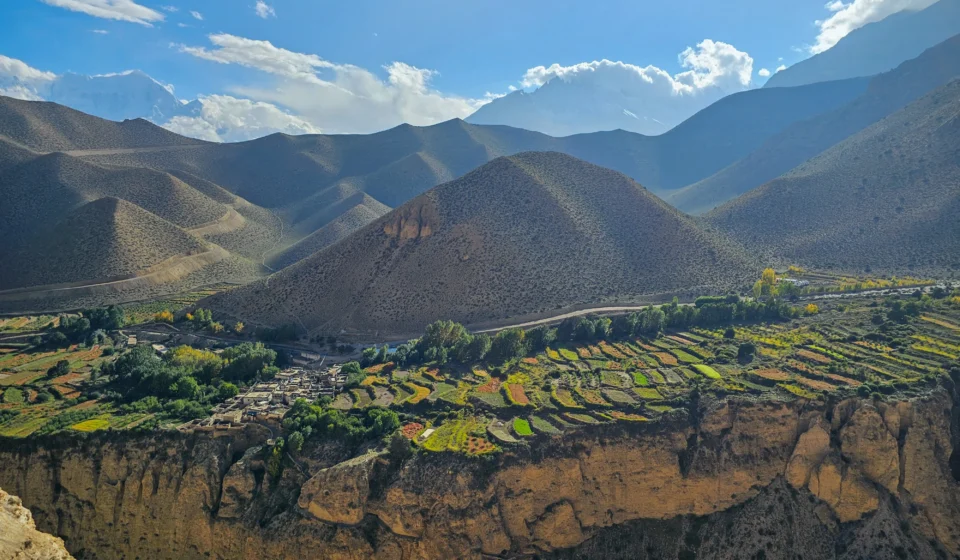
Tucked behind the Annapurna massif, in the rain shadow where the monsoon clouds simply give up, lies a landscape that looks nothing like the Nepal of postcards. No rhododendron forests, no cascading waterfalls — just wind-carved canyons, ochre cliffs riddled with centuries-old caves, and a walled medieval city that was off-limits to outsiders until 1992. This is Upper Mustang, the former Kingdom of Lo, and it remains one of the most singular trekking experiences in the Himalayas.
If the Everest and Annapurna trails have started to feel like well-worn pilgrimage routes, Upper Mustang is the antidote: fewer trekkers, a restricted-area permit system that keeps numbers in check, and a culture that has more in common with Lhasa than Kathmandu.
Why Upper Mustang Is Different
Upper Mustang sits north of the Annapurna range, bordering the Tibetan Autonomous Region. Because it’s shielded from monsoon moisture by the Annapurna and Dhaulagiri massifs, upper mustang trek is a high-altitude experience other than the lush middle hills most people picture when they think “Nepal trek.” Until 1992, the region was completely closed to foreigners, and even today it requires a special restricted-area permit and a licensed guide to enter.
The reward for that extra paperwork is a place that feels genuinely preserved: whitewashed gompas (Buddhist monasteries) with murals dating back 600 years, chortens strung along ridgelines, and the walled city of Lo Manthang, seat of the Raja of Mustang until the monarchy was formally dissolved in 2008 (the royal lineage still holds ceremonial status locally).
Trek Overview: Distance, Duration, and Difficulty
Key Stats
- Duration: 10–14 days round trip (including acclimatization and a rest day in Lo Manthang)
- Distance: Roughly 100–140 km round trip, depending on route and side trips
- Max altitude: Lo Manthang sits at about 3,840 m (12,600 ft); some ridgeline viewpoints and passes push past 3,900–4,000 m
- Difficulty: Moderate. There’s no technical climbing and altitudes are lower than Everest Base Camp or the Thorong La pass on the Annapurna Circuit, but you’ll walk consecutive long days into strong afternoon winds on dusty trails
- Starting point: Most itineraries begin with a flight from Pokhara to Jomsom, then trek north via Kagbeni
Because the elevation gain is gradual and the highest points are lower than the classic high-altitude treks, altitude sickness risk is real but generally more manageable here — though the standard rules (hydrate, ascend slowly, don’t skip acclimatization) still apply.
The Permit System: What Makes Upper Mustang “Restricted”
This is the detail that trips up first-time visitors, so it’s worth spelling out clearly:
- Restricted Area Permit (RAP): Approximately $50/day. This is a government fee and non-negotiable.
- ACAP entry permit: Since the route falls within the Annapurna Conservation Area, you’ll also need the standard ACAP permit (roughly \$30 USD).
- Licensed guide required: Independent trekking isn’t permitted in the restricted zone — you must trek with a registered guide from a licensed agency, and solo RAPs are allowed since Mar 22, 2026 but guide is still mandatory.
These fees are a major reason Upper Mustang sees far fewer trekkers than Everest or Annapurna — and exactly why the trails, monasteries, and villages feel so unspoiled.
Best Time to Trek Upper Mustang
Here’s the twist that surprises a lot of planners: because Upper Mustang sits in a rain shadow, it’s one of the few treks in Nepal that’s genuinely good during the summer monsoon.
- June–August (monsoon): While the rest of Nepal is soaked in cloud and leeches, Upper Mustang stays largely dry. This is actually a popular window, and it’s when Lo Manthang hosts the vibrant Tiji Festival in May, a three-day masked-dance ceremony depicting the legend of a deity who saved the kingdom from a demon.
- March–May (spring): Good visibility, warmer days, blooming high-desert scrub.
- September–November (autumn): Clear skies and the most popular season overall.
- December–February (winter): Brutally cold and windy; many teahouses close and some agencies won’t run trips at all.
One practical note regardless of season: wind picks up hard most afternoons, funneling up the Kali Gandaki valley. Experienced guides schedule the day’s walking for the morning and early afternoon, before the gusts really set in.
What You’ll See Along the Way
Kagbeni and Jharkot
The gateway village of Kagbeni marks the official start of the restricted area, with its medieval alleyways and a checkpoint where permits are inspected. Jharkot, nearby, has a well-preserved fort and a historic Amchi (traditional Tibetan medicine) clinic.
Lo Manthang
The walled capital is the trek’s centerpiece: narrow lanes, the old royal palace, and several centuries-old gompas including Jampa Lhakhang and Thubchen Gompa, known for their preserved murals and statuary.
The Sky Caves of Mustang
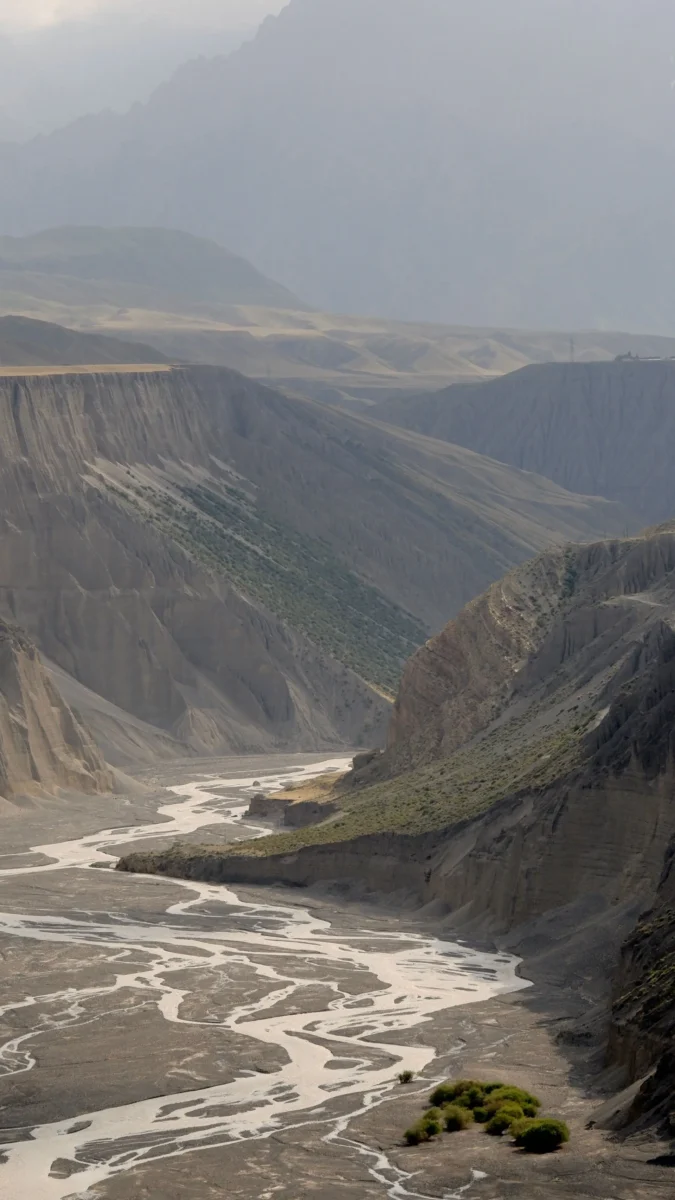
Scattered across the cliffs near Chhoser village are thousands of man-made caves, some dating back 2,000 to 3,000 years, whose original purpose (burial chambers, meditation retreats, or wartime shelters) is still debated by archaeologists. A side trip here is one of the trek’s most striking detours.
Luri Gompa and Ghar Gompa
Both are remote cave-monasteries reachable via longer side excursions, rewarding trekkers with some of the region’s oldest religious art and a much quieter trail experience than the main route.
Costs: What to Budget
Upper Mustang is pricier per day than most other Nepal treks, largely because of the permit fees and because supplies have to be trucked or muled in across a remote plateau. As a rough guide:
- Restricted Area Permit: ~$50/day beyond that
- ACAP permit: ~\$30
- Guide: roughly \$25–\$35 per day
- Teahouse lodging and meals: \$30–\$50 per day (higher than the Everest or Annapurna regions due to remoteness)
- Domestic flights (Pokhara–Jomsom round trip): roughly \$200–\$250
All told, a 10–12 day organized trip typically runs somewhere between \$1,300 and \$2,000 per person, though it varies significantly by agency and group size.
Physical Preparation
You don’t need technical mountaineering skills, but you do need solid trekking fitness: expect 5–7 hours of walking on most days, often into wind, at altitude, on undulating and sometimes rocky terrain. Cardio training, long weekend hikes with a loaded daypack, and some hill or stair training in the months beforehand will make the trip far more enjoyable.
Final Thoughts
Upper Mustang isn’t the trek to choose if you want glacier views of an 8,000-meter peak up close. What it offers instead is something rarer on the modern Nepal trekking circuit: a landscape and culture that still feels like a world apart, with royal history, Tibetan Buddhist art, and geology unlike anywhere else in the country. The permit cost and guide requirement filter out casual visitors, which is exactly why the region has kept its character.
For trekkers who’ve already done Everest Base Camp or the Annapurna Circuit and want something that feels genuinely different, Upper Mustang belongs at the top of the list.