Everest Base Camp Trek: The Ultimate Guide (2025–2026)
Few treks on earth carry the weight of the Everest Base Camp (EBC) trek. This is the route that legendary mountaineers walked before attempting the world’s highest summit, and today it remains one of the most sought-after trekking experiences on the planet. Whether you’re a seasoned hiker chasing the Himalayan horizon or a first-timer with a dream and a good pair of boots, this guide covers everything you need to plan and complete the Everest Base Camp Trek.
What Is the Everest Base Camp Trek?
The Everest Base Camp Trek is a multi-day hiking route in the Khumbu region of northeastern Nepal. It winds through Sagarmatha National Park — a UNESCO World Heritage Site — and terminates at the base of the world’s highest mountain, Mount Everest (8,848 m / 29,032 ft). The classic route starts and ends in Lukla and covers approximately 130 km (80 miles) round trip, reaching an altitude of 5,364 m (17,598 ft) at Base Camp itself.
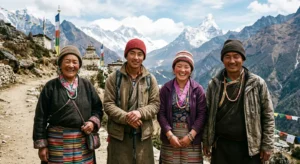
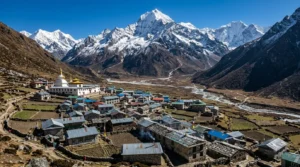
Along the way, trekkers pass through Sherpa villages steeped in Buddhist culture, cross precarious suspension bridges over glacial rivers, and take in jaw-dropping views of peaks including Ama Dablam, Lhotse, Nuptse, Pumori, and of course Everest itself.
Quick Facts: Everest Base Camp Trek at a Glance
- Start/End: Lukla (2,860 m)
- Maximum altitude: Kala Patthar 5,545 m (optional viewpoint) / EBC 5,364 m
- Distance: ~130 km round trip
- Duration: 12–14 days (including acclimatisation days)
- Difficulty: Moderate to challenging
- Best seasons: March–May and September–November
- Accommodation: Tea houses (lodges)
- Total cost: $1,200–$3,500+ depending on style of travel
Everest Base Camp Trek Itinerary (14 Days)
The standard 14-day itinerary builds in two acclimatisation days — essential for safely gaining altitude and reducing the risk of altitude sickness.
Day 1: Fly Kathmandu to Lukla, Trek to Phakding
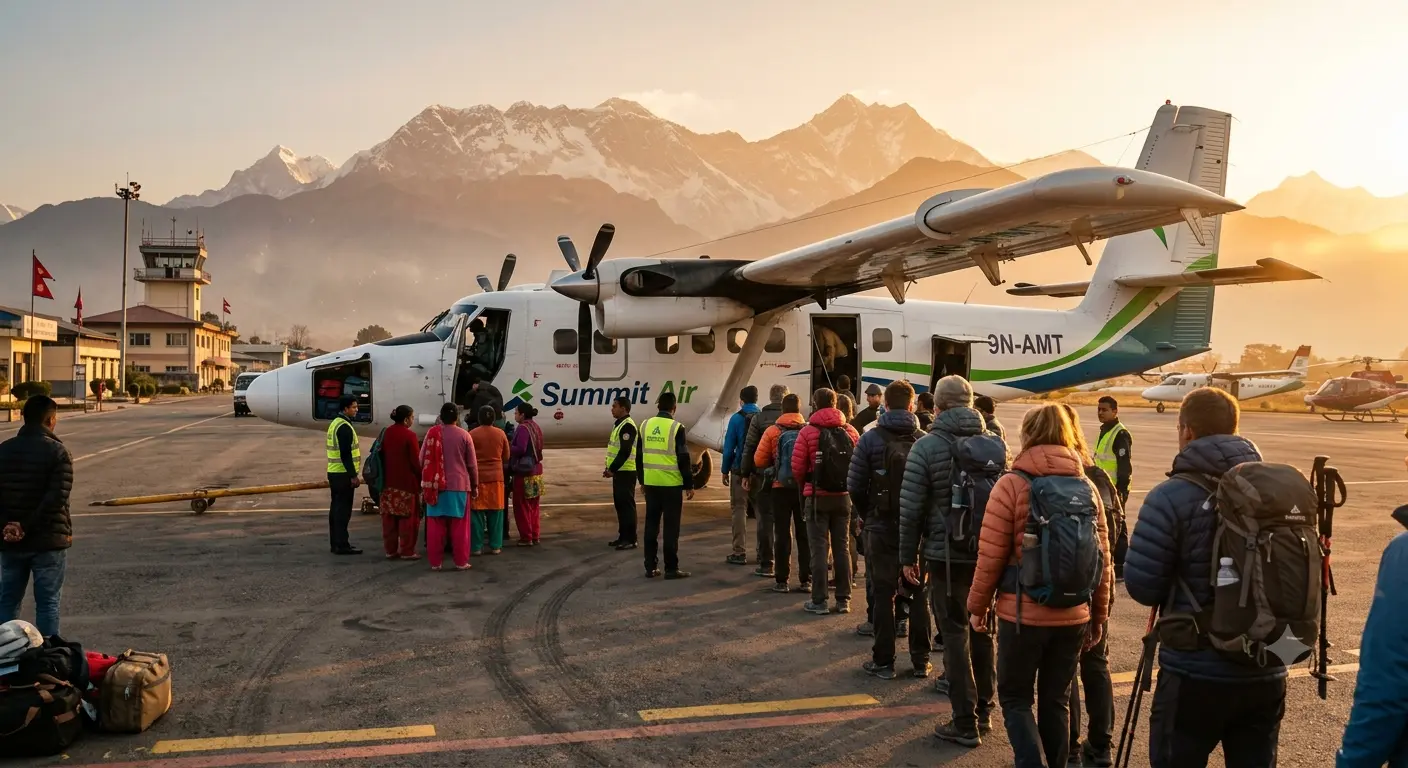
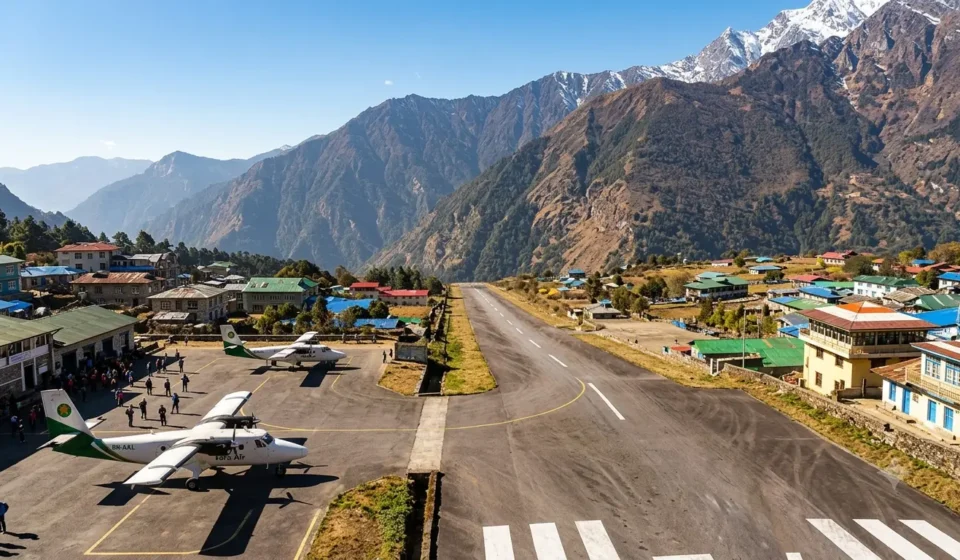
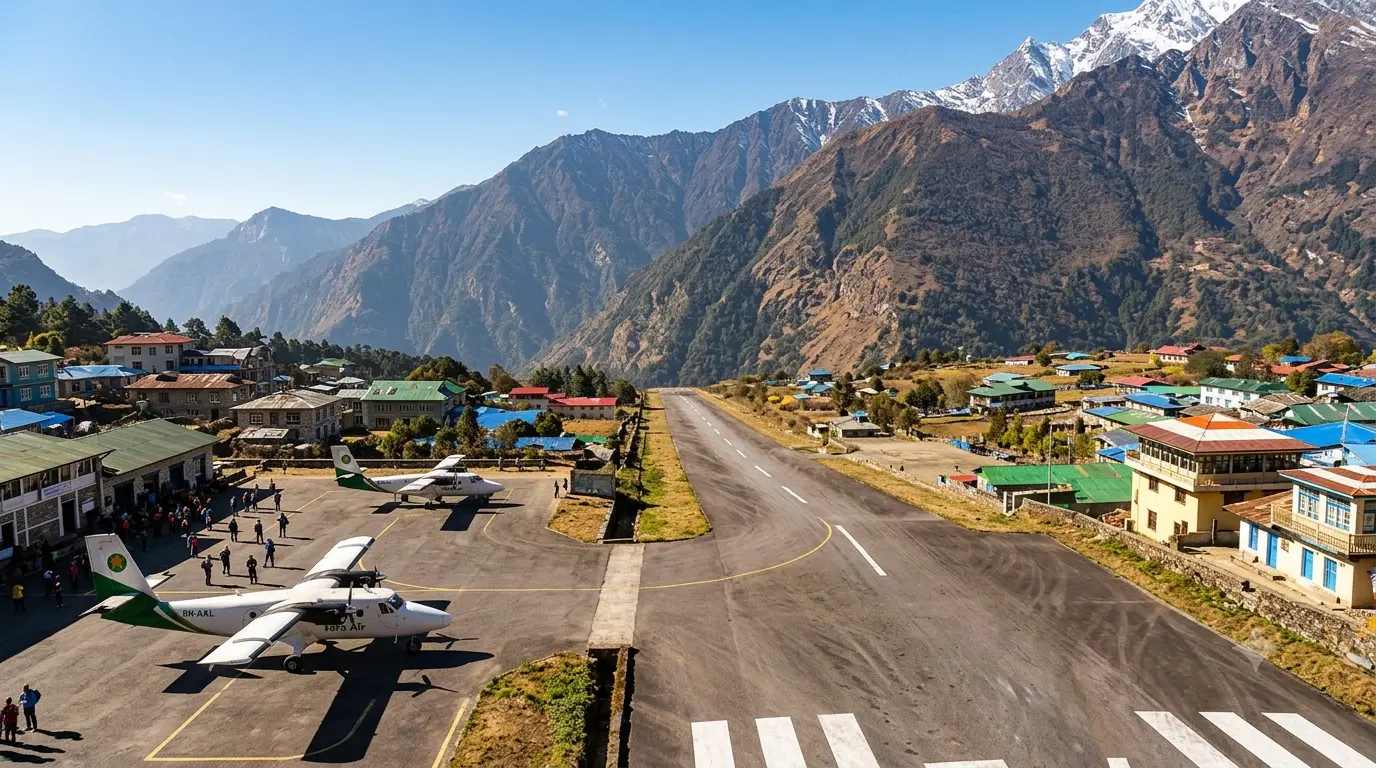
The adventure begins with a thrilling 35-minute mountain flight to Lukla’s Tenzing-Hillary Airport, one of the world’s most dramatic runways. From Lukla, trekkers descend through rhododendron forests to Phakding (2,610 m), a gentle 3–4 hour introduction to the trail.
Day 2: Phakding to Namche Bazaar
Today’s highlight is the steep climb to Namche Bazaar (3,440 m), the main trading hub of the Khumbu. The trail crosses several suspension bridges, including the iconic Hillary Bridge. Total walking time: 5–6 hours.
Day 3: Acclimatisation Day in Namche Bazaar
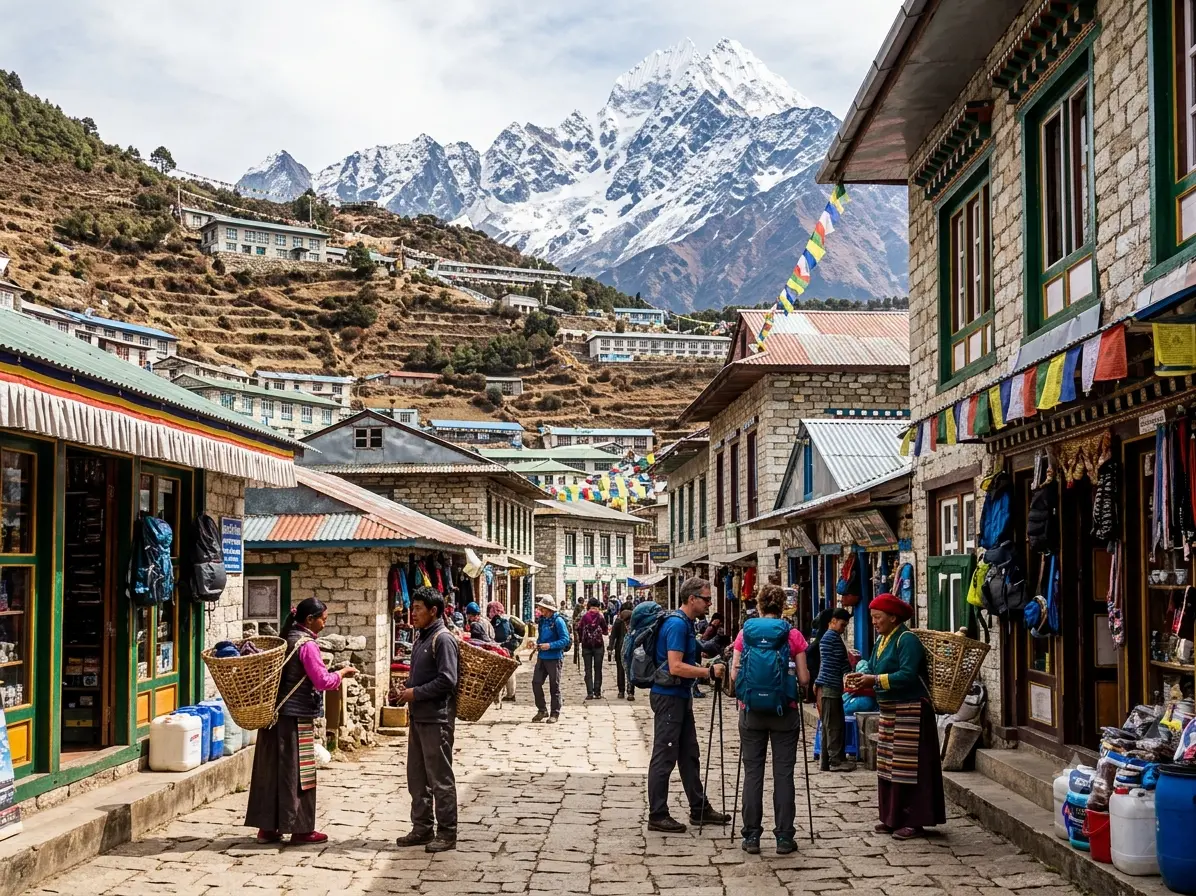
Rest day — but not idle. Hike up to the Everest View Hotel (3,880 m) for your first clear sighting of Everest, or explore Namche’s bakeries, gear shops, and the Sherpa Culture Museum.
Day 4: Namche Bazaar to Tengboche
A spectacular traverse through forests of juniper and pine, passing Khumjung village and eventually descending to the Imja Khola river before climbing to Tengboche (3,867 m) and its famous monastery. Walk time: 5–6 hours.
Day 5: Tengboche to Dingboche
Cross the tree line and enter a stark, high-altitude landscape. Dingboche (4,410 m) sits beneath the giant south face of Island Peak and offers views of Ama Dablam, one of the world’s most photogenic mountains. Walk time: 5–6 hours.
Day 6: Acclimatisation Day in Dingboche
Hike up to Nangkartshang Hill (5,083 m) for panoramic views of Makalu, Lhotse, Cho Oyu, and Ama Dablam — a taste of the altitude to come and a vital day for your body to adapt.
Day 7: Dingboche to Lobuche
Trek through the high-altitude Pheriche valley, passing memorial chortens for climbers who perished on Everest. Lobuche (4,940 m) marks the beginning of the glacial moraine zone. Walk time: 4–5 hours.
Day 8: Lobuche to Gorak Shep, Trek to Everest Base Camp
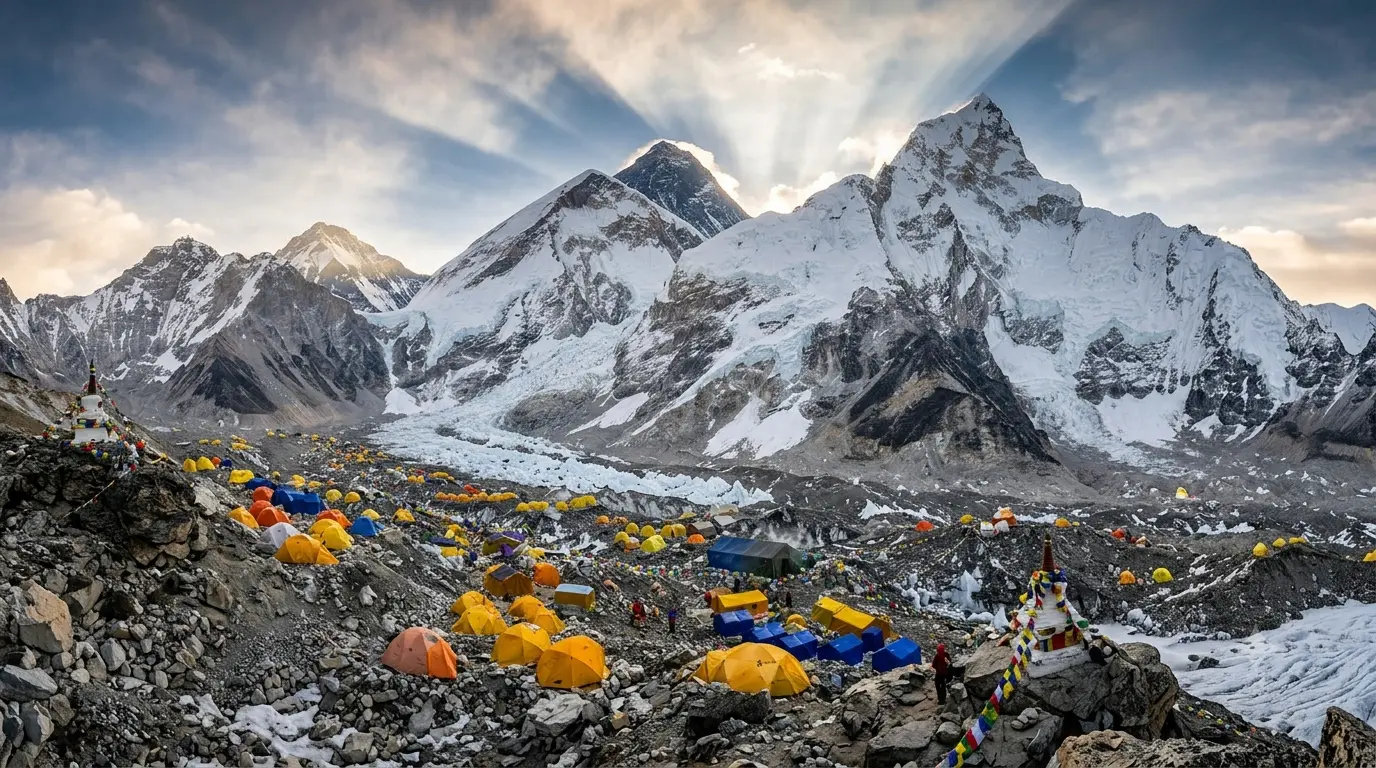
The most anticipated day of the trek. From Gorak Shep (5,164 m), push across the Khumbu Glacier to reach Everest Base Camp (5,364 m) — you’re standing at the foot of the world’s highest mountain. Return to Gorak Shep for the night. Walk time: 7–8 hours total.
Day 9: Kala Patthar Sunrise, Descend to Pheriche
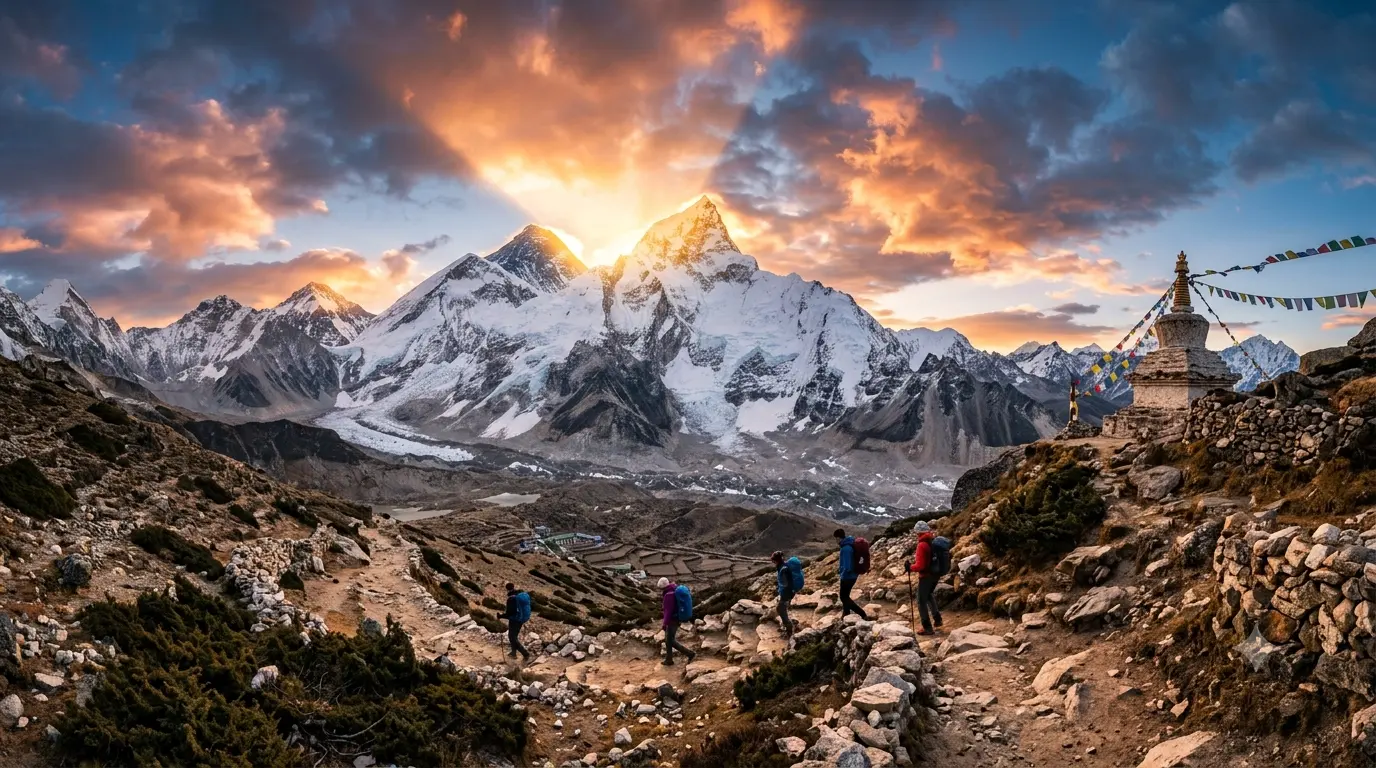
Rise before dawn and climb Kala Patthar (5,545 m) for the best panoramic view of Everest available without climbing ropes. Then descend steeply back to Pheriche (4,371 m). Walk time: 7–8 hours.
Days 10–12: Descend to Lukla
The descent goes quickly — your legs and lungs are now adapted. Trek back through Namche Bazaar, stopping at favourite tea houses, before reaching Lukla on Day 12.
Day 13–14: Fly Lukla to Kathmandu (buffer day included)
Mountain flights can be delayed by weather, so always build in a buffer day before any onward travel commitments.
Difficulty: Is Everest Base Camp Trek Hard?
EBC is rated moderate to challenging. It does not require technical climbing skills or crampons — it’s a trail hike, not a mountaineering expedition. However, the altitude is unforgiving. You’ll spend multiple nights above 4,000 m, and the day to Everest Base Camp crosses 5,000 m. Anyone with a reasonable level of cardiovascular fitness who trains beforehand can complete this trek. The key challenges are:
- Altitude: Acute Mountain Sickness (AMS) is the #1 reason trekkers turn back
- Cumulative fatigue: 8–10+ days of trekking adds up
- Cold temperatures: Nights above 4,000 m can drop below -15°C in winter
- Long walking days: 5–8 hours of hiking is typical
Best Time to Trek to Everest Base Camp
The two prime trekking windows are:
Spring: March to May
The most popular season. Rhododendrons are in bloom, skies are clear, and the trail is alive with other trekkers and mountaineering expeditions preparing to summit Everest. Temperatures are cold but manageable.
Autumn: September to November
Crystal-clear visibility after the monsoon washes the air clean. October is widely considered the single best month for EBC, with stable weather and stunning mountain views.
Avoid the monsoon (June–August) due to heavy rain, leeches, and cloud-obscured views. December–February is possible but harsh, with extreme cold and potential trail closures.
Permits Required for the Everest Base Camp Trek
You’ll need two permits before you can set foot on the trail:
- Sagarmatha National Park Permit: NPR 3,000 (~$22 USD) for foreigners
- Khumbu Pasang Lhamu Rural Municipality Entry Fee: NPR 2,000 (~$15 USD)
Permits can be purchased in Kathmandu or at the park entry checkpoints. Carry multiple passport photos.
Everest Base Camp Trek Cost: What to Budget
The total cost of the EBC trek depends heavily on whether you trek independently, hire a guide, or join an organised group tour.
- Budget (solo, basic tea houses): $1,200–$1,800 total
- Mid-range (guide + porter, comfortable lodges): $2,000–$3,000
- Group tour (fully organised): $1,800–$3,500+
Key expenses include Kathmandu–Lukla flights ($200–$350 each way), tea house accommodation ($5–$30/night), meals ($3–$15 per meal), permits, and guide/porter fees ($25–$35/day for a guide, $18–$25/day for a porter).
Tea House Accommodation on the EBC Route
Tea houses (also called lodges) line the entire EBC trail. These family-run guesthouses provide a bunk bed in a shared or private room, a dining room with a wood-burning stove, and hearty Nepali meals. Expect basic but warm facilities at lower altitudes, with more limited options (and colder rooms) above Namche. Wi-Fi is available in most lodges for a small fee, and charging your devices typically costs NPR 200–500 (~$1.50–$4).
Essential Packing List for EBC
Packing well can make or break your trek. Key items include:
- Insulated down jacket (rated to at least -10°C)
- Base layers (moisture-wicking, not cotton)
- Trekking poles (essential above Dingboche)
- Sturdy waterproof hiking boots (broken in before the trek)
- Lightweight sleeping bag liner (tea house bedding is provided but a liner adds warmth)
- Altitude medication (consult your doctor about Diamox/acetazolamide)
- Water purification tablets or a filter bottle
- Sunscreen (SPF 50+) and UV-blocking sunglasses
Altitude Sickness on the Everest Base Camp Trek
Altitude sickness is a serious risk above 2,500 m. Symptoms of Acute Mountain Sickness (AMS) include headache, nausea, dizziness, and fatigue. The golden rule: never ascend when symptomatic. Always take your acclimatisation days seriously — they’re not optional extras, they’re safety essentials. If symptoms worsen, descend immediately. Carry a pulse oximeter to monitor your blood oxygen saturation.
Do You Need a Guide for EBC?
Unlike some trekking areas in Nepal, the EBC route does not legally require a guide. The trail is well-marked, crowded with other trekkers, and easy to follow. That said, hiring an experienced guide adds value beyond navigation: they handle logistics, communicate in Nepali, carry emergency supplies, and can recognise AMS symptoms. Porters are invaluable for carrying heavy packs, allowing you to walk lighter and enjoy the views. Many trekkers hire both.
Tips for a Successful EBC Trek
- Walk slowly (bistari bistari): The Sherpa phrase means “slowly slowly” — it’s your mantra at altitude.
- Hydrate constantly: Drink 3–4 litres of water per day.
- Don’t skip acclimatisation days: Two rest days are built into the itinerary for a reason.
- Start training early: 3–6 months of cardiovascular training (hiking with a loaded pack) will make the trek far more enjoyable.
- Travel insurance is non-negotiable: Ensure your policy covers high-altitude trekking and helicopter evacuation.
- Book flights early in peak season: The twice-daily Lukla flights sell out fast in October and April–May.
Summary: Is Everest Base Camp Worth It?
Unequivocally, yes. Standing at 5,364 metres with the Khumbu Icefall spilling before you and Everest rising impossibly above, the Everest Base Camp Trek delivers an experience unlike anything else in the world. It demands preparation, respect for altitude, and a patient pace — but rewards those who commit with memories that last a lifetime.
Ready to plan your trek? Explore more in our Nepal trekking series:
- Nepal Trekking: The Complete Beginner’s Guide (2025–2026)
- Annapurna Circuit Trek: Everything You Need to Know
- Nepal Trekking Permits: The Complete 2025–2026 Guide