Nepal Trekking: The Complete Beginner’s Guide (2025–2026)
Imagine standing at a viewpoint in the Himalayas, watching the sunrise paint Annapurna or Everest in shades of gold and pink — and realising you got there on your own two feet. That’s what Nepal trekking offers: a genuine, achievable adventure that doesn’t require elite fitness or a bottomless budget.
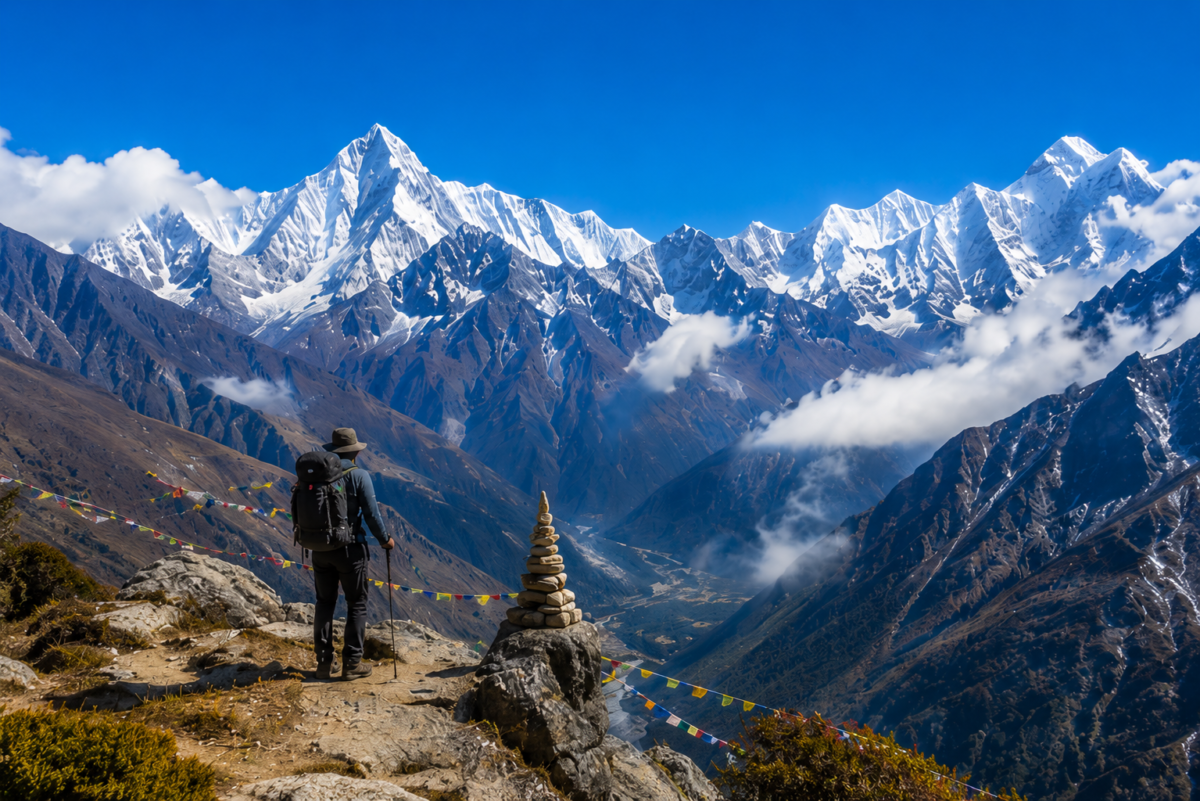
Nepal is home to eight of the world’s fourteen 8,000-metre peaks, and its trail network is one of the most developed in the world. Whether you’re a first-time trekker or someone who’s done day hikes but never spent multiple nights on the trail, Nepal is remarkably beginner-friendly — if you know what to prepare for.
In this complete beginner’s guide to Nepal trekking, you’ll learn everything you need to plan your first trek: which routes suit beginners, how much it costs, what permits you need, when to go, and how to stay safe at altitude. By the end, you’ll have a clear picture of exactly what to expect — and the confidence to book your trip.
Which Nepal Treks Are Best for Beginners?
Nepal trekking doesn’t mean you have to tackle Everest Base Camp on your first trip. The country has dozens of trails at different difficulty levels, from gentle valley walks to high-altitude routes that test even experienced trekkers. Here are the top options for beginners:
Poon Hill Trek (3–5 days)
The Poon Hill Trek is widely considered the best starting trek in Nepal. It reaches a maximum altitude of 3,210m and offers spectacular views of Dhaulagiri, Annapurna South, and Machhapuchhre (Fishtail). Based out of Pokhara, it’s short enough for those with limited time and forgiving enough for people with no prior trekking experience. Most trekkers complete it without a guide, though hiring one is recommended for first-timers.
Langtang Valley Trek (7–10 days)
Just 3–4 hours from Kathmandu, the Langtang Valley is often overlooked in favour of the big-name treks — which makes it a hidden gem. Maximum altitude reaches around 3,800m at Kyanjin Gompa, and the trail winds through rhododendron forests, Tamang villages, and glacier views. It’s one of the best Nepal treks for beginners who want more than a weekend out.
Mardi Himal Trek (5–7 days)
A newer, less-crowded alternative in the Annapurna region, the Mardi Himal Trek tops out at 4,500m at the High Camp. It’s a beautiful, quieter trail with jaw-dropping views of Machhapuchhre and Annapurna South. Moderate difficulty makes it perfect for beginner trekkers with a reasonable level of fitness.
Everest Base Camp Trek (12–14 days)
EBC is on many trekkers’ bucket lists, but it’s important to be honest: this is not a beginner trek in the traditional sense. The 5,364m altitude means acclimatisation is critical, and the trail demands sustained effort over nearly two weeks. That said, thousands of first-time trekkers complete it every year — if you go with the right preparation and a guide, it’s achievable.
How Much Does Nepal Trekking Cost?
One of the biggest misconceptions about Nepal trekking is that it’s either dirt-cheap or prohibitively expensive. The reality sits comfortably in the middle. Here’s a realistic cost breakdown for a mid-range trekker:
| Expense | Estimated Cost (USD) |
|---|---|
| Nepal visa (on arrival, 30 days) | $30 |
| TIMS Card | $20 |
| ACAP or SAGARMATHA permit | $30–$35 |
| Teahouse accommodation (per night) | $5–$15 |
| Meals on trek (per day) | $15–$25 |
| Guide (per day) | $25–$35 |
| Porter (per day) | $15–$20 |
| Gear rental in Kathmandu/Pokhara | $5–$15/day |
| Domestic flight (e.g. Kathmandu to Lukla) | $180–$220 one way |
| Travel insurance | $80–$150 for the trip |
For a 10-day mid-range trek with a guide, budget approximately $800–$1,200 all in (excluding international flights). Solo trekkers on a tight budget can bring that number down; trekkers who want more comfort will spend more.
Costs on the trail increase with altitude — a meal in Namche Bazaar costs noticeably more than the same meal in a lower village, simply because everything is carried in by porter or pack animal.
What Permits Do You Need for Nepal Trekking?
Nepal trekking permits are straightforward once you understand the system. The permits you need depend on which trek you’re doing.
TIMS Card
The Trekking Information Management System (TIMS) card is required for most popular treks. It costs $20 for individual trekkers and can be obtained at the TIMS office in Thamel, Kathmandu or in Pokhara. You’ll need a passport-sized photo and a copy of your passport.
Conservation Area & National Park Permits
- ACAP (Annapurna Conservation Area Permit): Required for Annapurna Circuit, Poon Hill, Mardi Himal, and Annapurna Base Camp treks — $30
- SAGARMATHA National Park Permit: Required for EBC and Gokyo Lakes treks — $35
- Langtang National Park Permit: Required for Langtang Valley trek — $35
Restricted Area Permits
Some remote treks — including Upper Mustang and parts of Dolpo — require special restricted area permits that cost significantly more ($50/day). These treks must be completed with a licensed guide.
You can obtain most permits at the relevant offices in Kathmandu or Pokhara, or arrange them through your trekking agency. Keep them on you throughout the trek — checkpoints on the trail will ask to see them.
When Is the Best Time to Trek in Nepal?
Nepal trekking has two ideal seasons, and knowing which one suits your plans can make a huge difference to your experience.
Spring (March–May)
Spring is one of the two peak trekking seasons. March to May brings warm temperatures, clear morning skies, and rhododendrons in full bloom — the forests at lower altitudes turn vivid red and pink. It’s a beautiful time to trek, though popular routes like EBC can feel busy, especially in April.
Autumn (September–November)
September to November is generally considered the single best time for Nepal trekking. Post-monsoon air is exceptionally clear, mountain views are at their sharpest, and temperatures are mild at most altitudes. October is peak season — trails are busier, but for very good reason.
Monsoon & Winter
The monsoon season (June–August) brings heavy rain, leeches on lower trails, and frequent cloud cover. Some trekkers still go — it’s green, lush, and quiet — but it’s not recommended for first-timers. Winter (December–February) sees high passes potentially closed by snow and very cold temperatures above 3,000m, though lower treks like Poon Hill remain doable.
Do You Need a Guide for Nepal Trekking?
As of April 2023, Nepal’s government made it mandatory to trek with a licensed guide on all major trails, including EBC, Annapurna Circuit, Langtang, and more. This regulation was introduced partly in response to a rise in solo trekker accidents and deaths in the mountains.
In practice, enforcement varies by trail, but the rule is in place and is increasingly being checked at entry points and permit checkpoints.
Reasons to hire a guide:
- Safety, especially at altitude and in poor weather
- Local knowledge of trails, teahouses, and culture
- Language support in remote villages
- Peace of mind for first-time trekkers
Guide costs typically run $25–$35 per day. A porter — who carries your main pack so you trek with just a daypack — costs $15–$20 per day. Splitting costs between two trekkers is a popular way to save. Always hire through a licensed trekking agency in Thamel, Kathmandu or Pokhara, and verify they are registered with the Nepal Tourism Board.
Essential Nepal Trekking Tips for First-Timers
- Acclimatise properly. Never rush altitude gain. The golden rule is to ascend no more than 300–500m per day above 3,000m, and to take rest days as your itinerary allows. Altitude sickness (AMS) is the most common cause of serious problems on Nepal treks.
- Stay hydrated. Drink 3–4 litres of water per day on trek. Avoid alcohol in the first few days at altitude.
- Pack light. Aim for a trekking pack of 10–12kg maximum if you’re carrying your own bag, or leave your main luggage with your hotel in Kathmandu or Pokhara.
- Bring cash. ATMs are limited or non-existent on the trail. Withdraw sufficient Nepali rupees (or USD as a backup) before leaving the city.
- Get proper travel insurance. Ensure your policy covers high-altitude trekking and helicopter evacuation. A rescue helicopter from altitude can cost $3,000–$8,000+ without coverage.
- Book teahouses in advance during peak season. In October especially, popular stops along EBC and Annapurna Circuit fill up fast.
Frequently Asked Questions About Nepal Trekking
Is Nepal trekking safe for beginners?
Yes — Nepal trekking is generally safe for well-prepared beginners. The main risks are altitude sickness, slips on uneven trails, and unpredictable weather. Trekking with a licensed guide, taking proper acclimatisation rest days, and carrying comprehensive travel insurance that covers helicopter evacuation significantly reduces your risk.
How fit do you need to be for Nepal trekking?
You don’t need to be an athlete, but a reasonable base fitness level makes the experience much more enjoyable. For Poon Hill, regular walking and light cardio for 4–6 weeks beforehand is sufficient. For EBC or Annapurna Circuit, build up to longer hikes with elevation gain over 2–3 months before your trip.
Can I trek Nepal without a guide?
As of 2023, regulations require most major treks to be completed with a licensed guide. Even on trails where enforcement is inconsistent, hiring a guide is strongly recommended for first-time trekkers for safety, navigation, and cultural reasons.
How do I get to Nepal to start trekking?
Most international trekkers fly into Tribhuvan International Airport in Kathmandu. From there, Thamel (central Kathmandu) is the main trekking hub for gear, permits, and pre-trek logistics. For Annapurna-region treks, most trekkers either fly or take a tourist bus to Pokhara.
Conclusion
Nepal trekking is one of the most rewarding adventures you can take — and it’s far more accessible than most beginners imagine. Whether you start with a three-day Poon Hill loop or go straight for Everest Base Camp, the mountains will reward your effort with views and experiences you’ll carry for a lifetime.
The key is preparation: choose the right trek for your fitness level, sort your permits early, hire a licensed guide, and get solid travel insurance. Do those things, and your first Nepal trek is already set up for success.
Ready to take the next step? Read our detailed Everest Base Camp Trek guide or explore how much an EBC trek really costs — your Himalayan adventure starts now.